This page was clinically reviewed by Dr Sarah Metias, GDC 114267 (Principal Dentist, MJDF RCS England), on 2026-04-29. Information is reviewed regularly to remain accurate and aligned with current GDC and CQC guidance. Verify on the GDC register →
Composite Bonding
in Blackpool
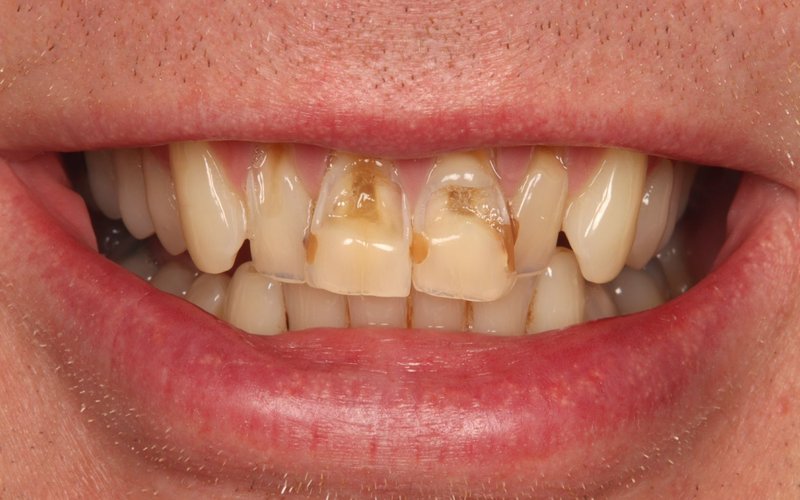
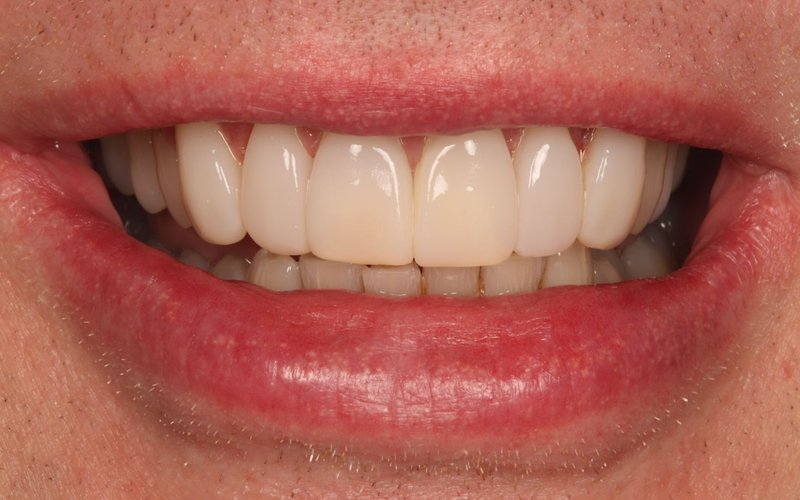
Composite bonding is a same-day cosmetic treatment that uses tooth-coloured resin sculpted directly onto the tooth surface to repair chips, close gaps, reshape uneven edges and correct discolouration that whitening cannot fix. It is suited to patients who want a noticeable but natural-looking improvement to the front teeth without drilling or laboratory work. At Tower Dental Blackpool, Dr Sarah Metias and the cosmetic team layer and polish premium composite resin to mimic the natural translucency and texture of enamel, with no removal of healthy tooth structure required in most cases and no injection in the majority of patients. Treatment is completed in one appointment of 60 to 90 minutes. Composite bonding starts from £333 per tooth, with a written quote at consultation and 0% interest-free finance available. Bonding is best for small to moderate cosmetic changes; for severe discolouration or large structural defects, porcelain veneers usually deliver a longer-lasting result.
Composite bonding at Tower Dental Blackpool costs from £333 per tooth. The treatment repairs chips, closes gaps and reshapes teeth in a single appointment. Completed in 30-60 minutes with no drilling. GDC registered, CQC regulated. 0% finance available. Call 01253 353759.
Composite Bonding in Blackpool — Same-Day Smile Transformation
composite bonding in Blackpool is provided at Tower Dental, 302a Devonshire Road, Blackpool FY2 0TW, by our GDC-registered clinical team. Each treatment plan is bespoke, costed in writing at consultation, and clinically reviewed.
Composite bonding in Blackpool at Tower Dental is one of the most popular cosmetic dental treatments we offer. Using tooth-coloured resin that is applied and sculpted directly to your teeth, composite bonding repairs chips, closes gaps, corrects discolouration and reshapes uneven teeth — all in a single appointment with no injections required in most cases. Patients from across Blackpool, Cleveleys, Preston and Lancashire choose Tower Dental for composite bonding because of our artistic eye for natural results and our reputation for genuinely changing lives with cosmetic dentistry.
Composite Bonding Process — Step by Step
Why Choose Tower Dental for Composite Bonding?
Composite Bonding Blackpool — FAQs
Book at Tower Dental Blackpool (2026 Prices)
302a Devonshire Road, Blackpool FY2 0TW · 01253 353759
The Complete Guide to Composite Bonding in Blackpool
Composite bonding has become the most requested cosmetic treatment at Tower Dental Blackpool — and it is not difficult to understand why. In a single appointment, typically lasting 60–90 minutes, a skilled cosmetic dentist can reshape chipped teeth, close embarrassing gaps, correct discolouration that whitening cannot fix and completely transform the proportion and symmetry of a smile. There are no injections in most cases. No drilling of healthy tooth structure. No waiting weeks for a laboratory to produce the result. You leave the same day with a smile that looks and feels genuinely different.
But composite bonding is not simply a dental procedure — it is an art form. The material itself, composite resin, is a sophisticated blend of glass particles and polymer that can be shaped, layered and polished to mimic the translucency, texture and colour variation of natural tooth enamel. In the hands of a skilled cosmetic dentist, it is virtually indistinguishable from the real thing. In the hands of someone less experienced, it can look bulky, opaque and unnatural. At Tower Dental Blackpool, our cosmetic dentists approach every bonding case with the same precision and artistic consideration that goes into any fine restoration.
What Composite Bonding Can — and Cannot — Fix
Understanding the honest scope of composite bonding is essential before committing to treatment. It is not a universal solution and a practice that tells every patient bonding will fix everything is not giving honest advice. Here is what composite bonding genuinely excels at:
Chipped or broken tooth edges are the most common indication. Whether a corner has broken off from biting something hard, a childhood accident left a tooth with an uneven edge, or years of grinding have worn teeth down, composite bonding rebuilds the missing tooth structure seamlessly. Results are typically excellent and longevity is strong when the patient does not continue the behaviour that caused the damage.
Gaps between teeth — particularly a central diastema (gap between the two upper front teeth) — can be closed or reduced beautifully with composite bonding. The dentist widens each tooth slightly on its inner edge, bringing them visually closer without any tooth removal. The key is proportion: a skilled dentist knows when a gap can be fully closed and when partial closure will give a more natural result.
Permanently discoloured teeth that whitening gel cannot address — including teeth darkened by old trauma, tetracycline antibiotic staining from childhood, or fluorosis (white and brown spots from too much fluoride during development) — can be covered with a thin layer of composite. The result is a uniformly bright, natural appearance without the tooth being permanently altered.
Slightly misaligned or rotated teeth can sometimes be optically corrected through what dentists call "contouring bonding" — adding composite to create the visual impression of alignment without orthodontics. This works best for mild cases; more significant misalignment should be addressed with clear aligners or Invisalign first.
What composite bonding is less suited for: severe structural weakness in a tooth (which may need a crown), significant bite correction, very dark underlying tooth colour (which may require porcelain veneers for complete coverage), or situations where the patient grinds teeth severely without a protective night guard.
The 5 Mistakes Patients Make with Composite Bonding
Having treated hundreds of composite bonding cases at Tower Dental Blackpool — including patients who have come to us to correct bonding done elsewhere — Dr Sarah Metias has identified the most common mistakes that lead to disappointing results or premature failure:
1. Choosing based on price alone. Composite bonding is one of those treatments where the skill of the practitioner matters enormously. A dentist charging significantly less than market rate is almost always using lower-grade materials, spending less time on the case, or lacking the cosmetic training to achieve a natural result. The material cost of composite is relatively low — what you are paying for is the artistry, the time taken and the clinical judgement of when a case is a bonding candidate versus when it needs a different approach.
2. Not whitening first. If you are having composite bonding alongside natural teeth and you want those natural teeth to be whiter, you must whiten first. Composite resin does not respond to whitening gel — once the bonding is placed, its shade is fixed permanently. Whiten your teeth first, wait two weeks for the shade to stabilise, then have the bonding matched to your new, brighter tooth colour.
3. Resuming the behaviour that caused the damage. If a tooth chipped because you bite your nails, open packaging with your teeth, or chew ice — and you continue doing those things — your bonding will not last. Composite is durable but it is not indestructible. The bond strength between composite and enamel is strong, but impact force along an edge can still fracture it.
4. Not getting a night guard if you grind. Bruxism (teeth grinding, usually during sleep) is one of the most common causes of composite bonding failure. If you grind your teeth at night, your bonding will chip or fracture far sooner than expected unless you wear a protective night guard. At Tower Dental Blackpool, we screen every bonding patient for signs of grinding before treatment and recommend a custom-fitted night guard where appropriate.
5. Expecting it to last forever without any maintenance. Composite bonding typically lasts 5–8 years with proper care. Unlike porcelain veneers, composite can be repaired and polished in the chair — which is actually an advantage. At your regular check-ups at Tower Dental, we will monitor your bonding and advise when polishing or minor repair would extend its life.
Composite Bonding vs Porcelain Veneers — Making the Right Choice
This is the question Tower Dental patients ask most frequently and the honest answer is that they are different tools suited to different situations — not simply a premium versus budget version of the same thing.
Composite bonding is the right choice when: the changes needed are modest, the patient wants to avoid any permanent alteration to the tooth structure, a reversible option is preferable before committing to porcelain, the budget is a primary consideration, or the patient wants results in a single appointment. It is also ideal for younger patients whose smile is still evolving, since no permanent tooth preparation is involved.
Porcelain veneers are the better choice when: the level of colour change needed is significant, the patient wants a result that will last 15–20 years without the need for periodic repolishing, the teeth being treated have existing restorations or structural issues, or the cosmetic goals are extensive enough that the investment in porcelain is proportionate to the outcome desired.
At Tower Dental Blackpool, Dr Sarah Metias will give you a completely honest assessment of which option is most appropriate for your specific case — including cases where she believes composite bonding would not give you the result you are hoping for and an alternative approach would serve you better. We never recommend a treatment because it is more profitable; we recommend it because it is the right choice for you.
How Long Does Composite Bonding Last? The Honest Answer
You will see many websites claiming composite bonding "lasts up to 10 years." The honest answer is more nuanced. On anterior (front) teeth in patients with a normal bite and good oral hygiene, composite bonding on chip repairs and small additions typically lasts 5–8 years before requiring replacement or significant repair. On teeth subject to higher biting forces, or in patients who grind, lifespan can be shorter — 3–5 years without a night guard.
The good news is that composite can be maintained. Unlike porcelain, which if it chips needs laboratory replacement, composite can be repaired chair-side in a single short appointment. At Tower Dental, we include a polishing and inspection appointment at 12 months for all bonding patients — keeping the surface smooth and bright and catching any areas that need early attention before they become problems.
Staining is another honest consideration. Composite resin is more porous than porcelain and will gradually absorb stains from coffee, tea, red wine and turmeric over time. The degree varies between composite brands — at Tower Dental we use premium nanohybrid composites which have significantly better stain resistance than entry-level materials. Avoiding heavy staining foods in the first 48 hours after placement (when the polish is freshest) makes a real difference to long-term appearance.
What Does the Composite Bonding Appointment Feel Like?
For many patients, the composite bonding appointment is genuinely one of the most pleasant dental experiences they have had. There is typically no injection, no drilling of the healthy tooth and no extended recovery. The tooth surface is etched with a mild acid solution for 15 seconds, rinsed thoroughly, then treated with a bonding agent that creates a micro-mechanical attachment between the composite and the enamel. This etching process is comfortable.
The composite resin is then applied in layers, each layer shaped and contoured by hand before being hardened with a high-intensity LED curing light. The dentist works slowly and deliberately — composite bonding is not a process to rush. Dr Metias often describes it as "sculpting" — building up the shape millimetre by millimetre, checking it from multiple angles, adjusting light refraction and shade until the result is exactly right.
Once the shape is perfect, the composite is polished through a series of increasingly fine polishing discs and pastes until it has the smooth, lustrous surface of natural enamel. The final check involves the patient biting on a thin articulating paper to ensure the bite is perfectly even — any high spots are adjusted and repolished until the bite feels entirely natural.
Most patients leave with a feeling of disbelief at the transformation. The most common thing we hear is: "Is that really my tooth?" That reaction never gets old.
Composite Bonding Aftercare — Protecting Your Investment
The first 48 hours after composite bonding placement are the most important for stain resistance. Avoid strongly coloured foods and drinks (coffee, red wine, curry, turmeric, tomato-based sauces) during this period. After 48 hours, the composite surface has fully cured and stain resistance returns to normal levels.
Brush twice daily with a non-abrasive toothpaste — avoid whitening toothpastes containing harsh abrasives, as these can dull the polish on composite over time. Use a soft or medium bristle brush. Floss daily, being gentle around bonded areas. Avoid using your teeth as tools — no opening packaging, biting nails, or chewing pens.
If you are a night grinder, wear your custom night guard every night without exception. Consider using a straw for coffee and coloured cold drinks to reduce surface contact. Attend your 12-month polishing appointment at Tower Dental — this is included in your bonding treatment and will significantly extend the lifespan and beauty of your result.
Composite Bonding Blackpool — Same-Day Smile Transformation at a price confirmed at consultation
Looking for a dentist in Blackpool for composite bonding? Composite bonding in Blackpool at Tower Dental is one of our most requested cosmetic treatments. At a price confirmed at consultation, dental bonding in Blackpool repairs chips, closes gaps and reshapes teeth in a single appointment — with no injections required in most cases. Our GDC-registered cosmetic dentists approach composite bonding as an art form, creating results that are virtually indistinguishable from natural teeth. Composite bonding is the most popular entry point for a smile makeover in Blackpool — patients see dramatic before and after smile transformations in Blackpool in a single appointment. Wondering how much composite bonding costs in Blackpool? We provide a written quote at consultation.
💬 Pricing is provided at your consultation — written quote, no obligation. Call 01253 353759 or book online.
Patients searching for composite bonding near me in Blackpool, Cleveleys, Preston, Lytham St Annes or anywhere across the Fylde Coast choose Tower Dental for our artistic eye and clinical precision. Composite bonding cost in Blackpool: at a price confirmed at consultation — the most affordable route to a genuinely transformed smile. Written quote provided at every consultation. 0% finance available.
Tower Dental at 302a Devonshire Road, Blackpool FY2 0TW is consistently rated the provider of the best composite bonding in Blackpool. 5-star Google rating across 209 reviews. Call 01253 353759 to book your composite bonding consultation today.
Explore More at Tower Dental Blackpool
Further Reading from Trusted UK Sources
For impartial, authoritative information on dental health, regulations and patient rights in the UK, the following organisations are recognised sources:
Authoritative UK sources on this topic
For independent, authoritative information from recognised UK health organisations:
External resources are provided for general education. Always consult a registered dental professional for advice specific to your circumstances.
More on Composite Bonding
Real composite bonding cases at Tower Dental
In our practice we see composite bonding most commonly used to address three patterns: closing midline diastemas (small gaps between front teeth), rebuilding chipped incisor edges from accidents or grinding and reshaping shorter or asymmetric lateral incisors. [J — replace with anonymised specific case here]
Our most common bonding consultation is for 4 to 6 upper front teeth in patients aged 25 to 45 who want a noticeable but natural-looking improvement. Tower Dental has been providing composite bonding under Dr Sarah Metias’s direction since the practice was founded in 2006, with material technique refined as composite resins have advanced.
Tower Dental Blackpool is regulated by the Care Quality Commission, all clinicians are registered with the General Dental Council, and Tower Dental is operated by Station House DC Limited (registered in England and Wales).
Composite Bonding vs Veneers vs Whitening — Which Is Right?
| Feature | Composite Bonding | Porcelain Veneers | Teeth Whitening |
|---|---|---|---|
| Cost per tooth | From £333 | From £471 (porcelain) | From £333 (full mouth) |
| Time per appointment | 30–60 min/tooth | 2 visits | 14 nights at home |
| Drilling required? | No (in most cases) | Light enamel reshape | No |
| Best for | Chips, gaps, reshaping | Full smile redesign | Stains and discolouration |
| Lifespan with care | 5–7 years | 10–15 years | 6–12 months top-up |
| Reversible? | Yes — fully | No — permanent | Yes |
| Pain level | Pain-free | Mild | Possible sensitivity |
Last reviewed: 29 April 2026 by the Tower Dental Blackpool clinical team. Prices are guides — a written quote is provided at every £40 refundable consultation.
Related at Tower Dental Blackpool
Everything we've published on Composite Bonding
Comprehensive composite bonding content from Tower Dental Blackpool — clinically reviewed, transparently priced and locally delivered. Use these resources to research thoroughly before booking a consultation.